I made this Collorage during a gloomy foggy day and was perked up by the warmth of these red, orange and ochre colors, which remind me of the glow of burnished metal.
Burnished
Reply
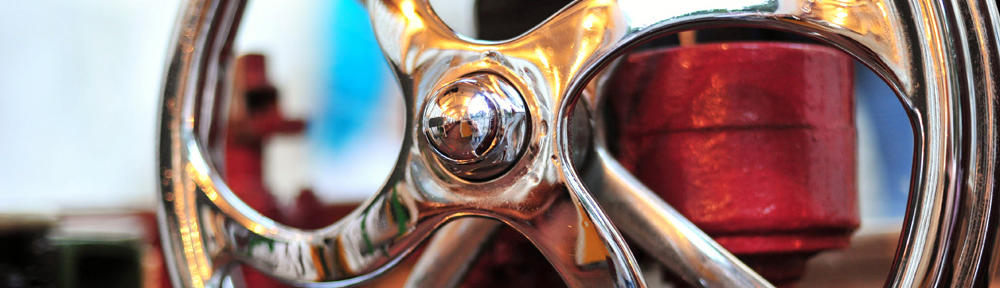
I made this Collorage during a gloomy foggy day and was perked up by the warmth of these red, orange and ochre colors, which remind me of the glow of burnished metal.
My love of flowers came to expression in this Collorage.
This unusual looking wilted flower challenged me to find the right colors, shapes and textures to contrast with it and make the final composition captivating.
Finished “The 100 Day Project” with a feeling of satisfaction and happiness. But I plan to continue adding additional metal texture experiments to my binder as I think of them. Day 91:Used a brass hammer to texture the copper piece laid on the second side of the file I used on Day 90; Day 92: Used a brass hammer to texture the copper piece laid on our deck, very little texture; Day 93: Rolled a brass safety chain through the rolling mill, too thick, threw the rolling mill out of alignment, fixable, won’t do that again!; Day 94: Used a brass hammer to texture the copper piece on a piece of masonite, hardly any texture; Day 95: Ran a feather through the rolling mill, one time use, left a faint texture and picked up texture from previous brass safety chain sample I used as a backing plate; Day 96: Used a chasing hammer and a chasing tool, held the chasing tool slightly above the copper piece as I struck with chasing hammer, lots of versatility to make different patterns, will use again; Day 97: Ran a drywall sanding screen through the rolling mill; Day 98: Applied sticky-back canvas stickers to copper piece and ran through rolling mill, one time use, good texture, hard to get smushed stickers off copper afterwards; Day 99: Hammered copper piece on concrete at Upper Harbor marina; Day 100: Hammered copper piece on water shut-off valve cover at Upper Harbor marina.
It seemed appropriate to include the Black-throated Green Warbler (Setophaga Virens) in the illustration with the Black-throated Blue Warbler (Setophaga caerulescens) on the White Pine branch.
The Black-throated Blue Warbler (Setophaga caerulescens) on an Eastern White Pine branch was done to gypsy music, GYPSY PASSION by Sergei Trafanov and GYPSY EYES by The Fancy Toys. The energy of the music was a good match for this neo-tropical warbler’s movements…a fitting finale! I sketched from a photo by John Van de Graaff.
My challenge was to intersperse writing with the pen/ ink/watercolor illustrations of neo-tropical warblers. This is the INTRODUCTION to the Bonding With The Landscape Series: Children learn when their senses are stimulated. This stimulation assists in their appreciation and understanding of the natural world and their relationship to it. Sensory journeys into diverse habitats create a natural bonding with the plants and animals that live there, reinforcing familiarity and fostering trust. The sounds, smells, colors, and nuances mingle inside the mind/body of the child and eventually become the grounding force that brings happiness, a sense of being, belonging, and longing. This series contributes to the critical discussion on the development of an ecological conscience and it ‘a relationship to an ecologically sound and responsible society. This critical resource is recommended for students, teachers, parents, grandparents, school guidance counselors, naturalists, and environmental educators.
Is it really April? Near mid-April?! I find I have been
working on more batik watercolor; in the theme of my spine and
rules…really enjoying the process!